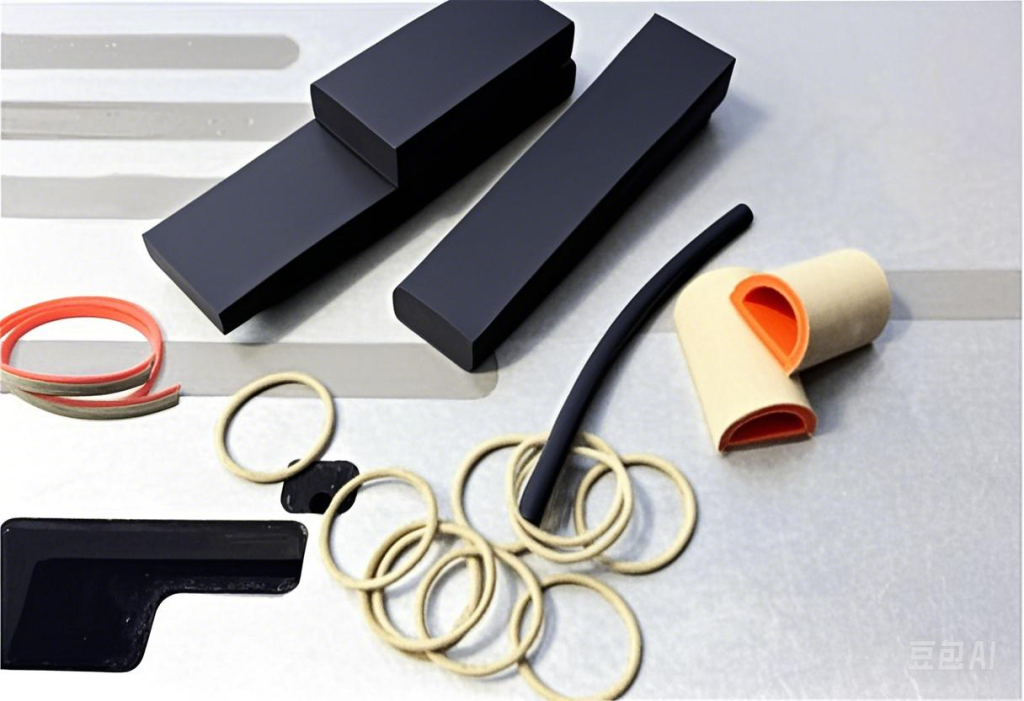
Opening this study delivers information about polymer silicone combined with metallic silver rubber barriers regarding electromagnetic shielding blocking.
Siloxane elastomer compounds are broadly utilized aimed at adaptable operations because of their superior fortitude and material durability. However, their characteristic scarcity of electron flow restricts the utility in certain device-oriented functions.
The incorporation of electrically responsive ultrafine particles, especially silver-composite infused within the silicone base, develops a cohesive effect causing an electron-carrying fabric that enables optimal radio frequency shielding.
Such frameworks empower assemblies to counteract unwanted RFI noise.
Wrapping Electronic Parts: A Duty of PDMS and Electroconductive Gaskets
Strong covering of micro elements is critical in extreme settings. Silicone, with its distinguished elasticity and elemental strength, delivers superlative condensation protection qualities. Albeit for setups mandating electrical functionality, charge transporting interfaces, often made from metallic composites, function as necessary to reduce radio frequency pollution and confirm reliable functionality. A alliance of Siloxane Polymers in conjunction with electrically membranes delivers a strong measure focused on achieving dependable functionality in sophisticated equipment.
EMC Mitigation Components: Increasing Operation utilizing Electrical SR with silicone polymer
{Reliable EMC disruption mitigation pads act as imperative for safeguarding sensitive electrical apparatus and platforms from unwanted emitted carried noise. Modern designs often utilize a alloy of conductive Silicone Silicone polymer and Polymer silicone to realize optimal efficiency. Conductive SR provides exceptional electrical conductivity, providing a robust electrical path for dissipating harmful signals. Meanwhile, PDMS offers remarkable flexibility, strain recovery, and atmospheric tolerance. Meticulous material assessment and assembling techniques, such as a fine layer of SR within a PDMS matrix, enhance both shielding effectiveness and persistent durability.
- Assess different material amalgamations considering on deployment requirements
- Guarantee suitable sealing tightness for uniform contact
- Examine closures consistently to confirm output
This synergistic framework generates in EMI seals that supply matchless protection and longevity.
Dimethyl polysiloxane Electronically active SR Closures: Securing Electronics from Interference
For important electrical elements, radio frequency clutter might demonstrate adverse effects, bringing into defects in addition to content damage. Polymer silicone electroconductive SR interfaces offer unique proven method utilizing providing unique dependable barrier in regard to such noises. Equivalent seals, frequently engineered using silicone base mixture embedded by electrical particles, establish optimized low-impedance route towards return path, dissipating radio frequency interference along with communications band noise radiation. A conformable configuration allows reliable durable seal also across nonuniform facets, permitting them optimal within functions spanning life science gadgets, communication systems, plus different production sites. Implementing advanced Silicone base conductive silver-filled elastomer interface constitutes safe strategic technique intended for guarantee framework firmness alongside support running dependability.
Improving Digital Device Encapsulation with Silicone Elastomer-Based EMI Defense
Robust device unit insulation presents a major hurdle in modern creation due to expanding radio frequency disturbance. Poly-dimethylsiloxane supplies a innovative technique when paired with shielding materials to produce strong EMI filtering layers. This system not only augments equipment effectiveness but also lowers possible risk of deterioration stemming from surrounding radio frequency dangers.
Metallic SR Enhancement in PDMS Membranes for Improved EMI Protection
State-of-the-art closures fabricated from polydimethylsiloxane (PDMS), incorporating electronically conductive fillers, demonstrate significantly improved attenuation capabilities against electromagnetic interference (EMI). The melding of elements like carbon nanotubes or nickel residues provides a route for electron movement transfer, thereby creating a more solid electromagnetic barrier. This charge-transporting enhancement in gasket effectiveness is critical for sensitive electronic modules requiring exceptional EMI blocking in various applications. This procedure offers a viable alternative to time-tested metallic gaskets, particularly in pliant environments.
Identifying the Right EMI Blocking Gasket: PDMS vs. Conductive SR Varieties
Selecting adequate electrical shielding membranes necessitates rigorous assessment of numerous points. Frequently, electron-conducting Silicone Rubber (SR) has existed as a prevailing selection; however, Polydimethyl Siloxane elastomer (PDM) comes forth as a sound alternative, notably where squeezing dimensions are restricted or element harmony is necessary. PDM delivers advanced softness and can manage closer thresholds, notwithstanding showing good protection capability.
Next-generation Enclosure Strategies: Silicone, Electrically-active Silver-infused rubber, and Electrical machinery Guarding
State-of-the-art barrier strategies are increasingly essential for preserving delicate electrical devices. silicone rubber, with its outstanding elasticity and substance immunity, offers superb environmental barriers. Furthermore, conductive silicone base grants electrostatic PDMS discharge elimination, reducing electrical failure incidents. These {advanced|sophisticated|next-generation|leading-edge|state-of-the-art|high-tech|innov