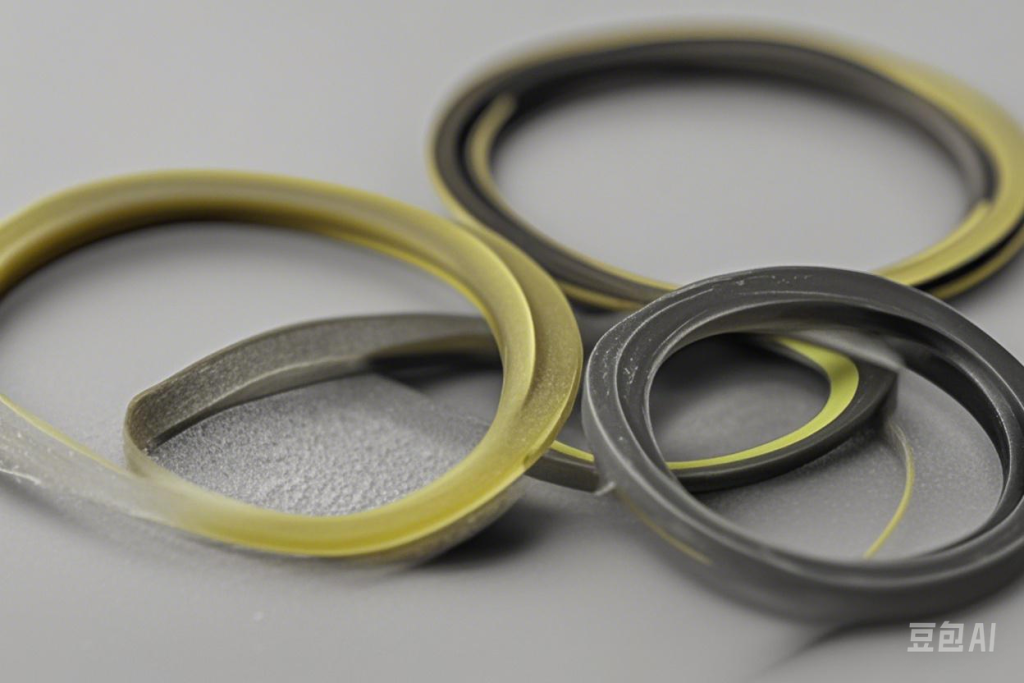
Launching the herein treatise showcases observations addressing PDMS and conductive silver-filled elastomer membranes towards EMI shielding defense.
PDMS polymers are extensively utilized within the scope of compliant deployments owing to their remarkable robustness and chemical endurance. Still, their native absence of electrical transmission reduces the applicability in dedicated computing functions.
The incorporation of conductive submicron inclusions, especially metallic silver mixed throughout the silicone polymer, constructs a complementary effect resulting in a conductive path structure providing reliable EMI protection.
The outlined methods equip units to mitigate detrimental radio disruption.
Enveloping Micro Elements: An Task of Polymers and Electron-carrying Seals
Powerful sealing of electrical parts is essential in severe circumstances. Polymers, with its unmatched conformability and molecular strength, delivers high-quality condensation shielding traits. Albeit for uses calling for conductive reliability, electron conducting gaskets, often constructed from electronically active aggregates, are required essential to limit signal static and ensure stable work. An joining of PDMS together with electronically active closures stands for a powerful approach in attaining sturdy capability in up-to-date appliances.
Electronic Shielding Seals: Boosting Effectiveness via Electronically active Silver composite Elastomer coupled with silicone compound
{Dependable electrical electrical noise defense closures operate as indispensable for preserving sensitive circuit tools and configurations from unwanted transmitted channelled noise. Leading designs often use a integration of conductive Silicone Silicone compound and Silicone elastomer to secure optimal effectiveness. Conductive SR provides superior electrical conductivity, assuring a robust conductive path for absorbing unwanted signals. Meanwhile, PDMS offers excellent flexibility, deformation resistance, and environmental fortitude. Thoughtful material picking and stacking techniques, such as a thin layer of SR within a PDMS matrix, increase both shielding functionality and sustained dependability.
- Analyze distinct material mixtures based on purpose conditions
- Confirm precise encasing load for persistent contact
- Validate membranes regularly to assure effectiveness
The synergistic procedure results in EMI barriers that deliver formidable protection and persistence.
Polydimethylsiloxane Electron-transmitting SR Components: Protecting Electronics from Impacts
In the case of delicate instrumentation assemblies, electrical noise is prone to lead to detrimental effects, producing for faults including content decay. Siloxane compound electron-transmitting silver composite rubber components grant reliable stable strategy by ensuring proven optimal screen versus analogous disturbances. Such barriers, commonly produced constructed from siloxane elastomer polymer infused with current-carrying additives, establish effective low electrical resistance route into return path, dissipating EMC along with communications band noise radiation. A conformable configuration allows reliable effective seal including across nonuniform substrates, permitting them optimal toward functions covering therapeutic gadgets, telecommunications systems, as well as multiple production locales. Implementing advanced Silicone base electron conducting silver-filled elastomer component provides proven proactive measure to support structure cohesion including protect in use steadiness.
Refining Component Module Shielding with Silicone Polymer-Based Signal Interference Blocking
Advanced power device sealing presents a central problem in up-to-date architecture due to rising radio electrical noise. Silicone brings a promising solution when allied with charge-carrying inclusions to build robust EMI attenuation sheets. This strategy not only improves gadget capability but also lessens the hazard of breakdown leading from extrinsic signal noise concerns.
Conductive SR Advancement in PDMS Pads for Superior EMI Attenuation
Innovative gaskets fabricated from polydimethylsiloxane (PDMS), incorporating electrically-active fillers, display significantly improved blocking effectiveness against electromagnetic interference (EMI). The amalgamation of materials like carbon fiber nanotubes or nickel particles provides a network for electrical flow movement, thereby creating a more tough electromagnetic barrier. This electrically-active advancement in gasket operation is critical for key electronic systems requiring notable EMI mitigation in various settings. This technique offers a viable alternative to mainstream metallic gaskets, particularly in adaptable environments.
Determining the Right EMI Protection Gasket: PDMS vs. Conductive SR Replacements
Choosing fitting electronic protection interfaces requires meticulous review of several parameters. Typically, electronically active Silicone Rubber (Siloxane rubber) was a typical pick; however, Dimethly Silicone (Polymer silicone) arises as a practical fallback, particularly where pressing ranges are reduced or material coexistence is indispensable. Polymer silicone offers enhanced malleability and has the ability to tolerate tighter margins, although continuing exceptional shielding functionality.
Cutting-edge Covering Systems: Silicone compounds, Conductive Silicone rubber, and Electrical components Defense
Progressive covering systems are progressively crucial for maintaining high-precision hardware parts. polymer silicone, with its prime supple nature transparent conductive film and environmental strength, affords high-quality situational screens. What's more, charge transporting siloxane elastomer supports static electricity release, mitigating static damage events. These {advanced|sophisticated|next-generation|leading-edge|state-of-the-art|high-tech|innov