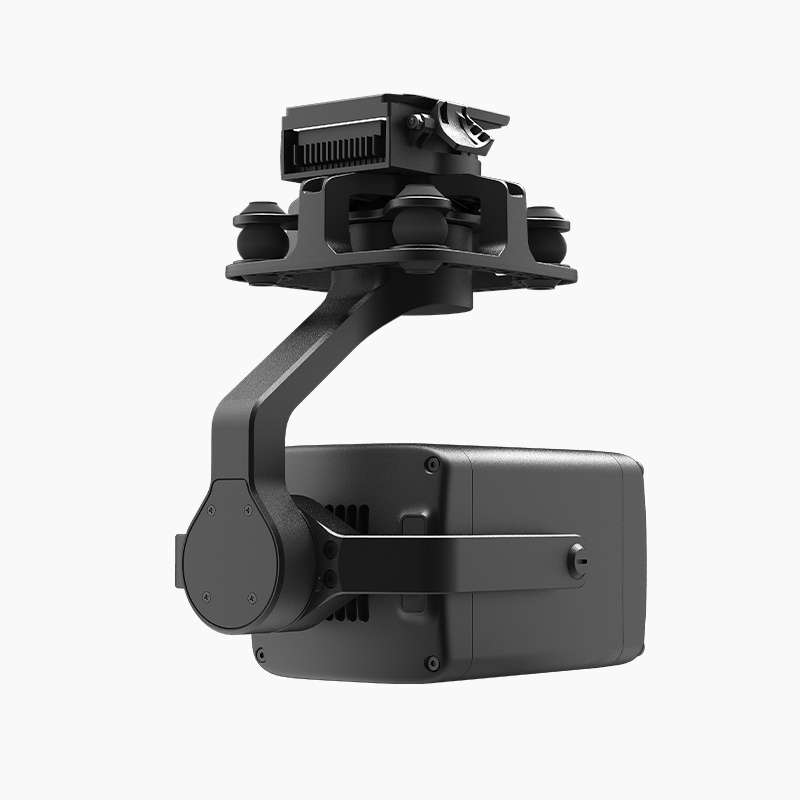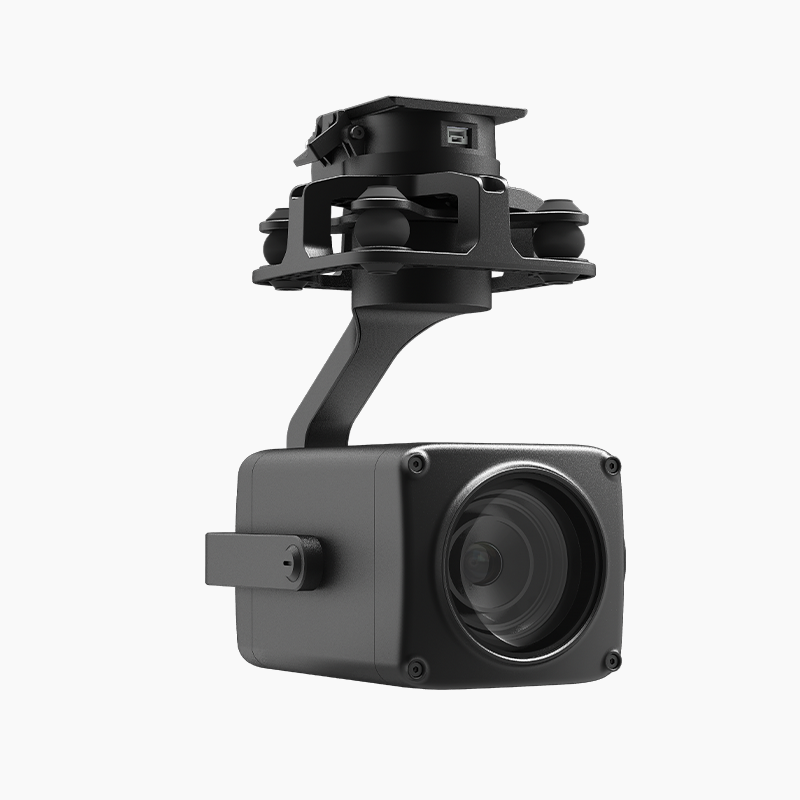
Presenting in particular in-depth discussion on supporting systems along with infrared detection within robotic systems.
Support Uses regarding Airborne Unit Imaging Breakthroughs
Unmanned units are undergoing remarkable upgrades in camera technology. High-precision gimbal designs now permit incredibly fluid footage, while facing turbulent environments. Furthermore, the combination of thermal vision offers unprecedented opportunities for examination in fields like crop-monitoring, providing valuable insights beyond what conventional light cameras can obtain. These combined technologies are drastically revolutionizing the field of aerial shooting.
Zooming into the Darkness: UAV Devices with Nocturnal Imaging & Steadiness Platforms
The contemporary landscape of unmanned aerial drones is being overhauled by advancements in camera options. Expressly, the combination of night vision methods and state-of-the-art gimbal structures allows for unprecedented resolution during nighttime operations. These powerful cameras, often utilizing infrared sensors, can see through darkness, providing crucial information for monitoring purposes. Additionally, the gimbal system successfully minimizes wobble, resulting in distinctly stable footage even in difficult conditions. Criteria like fineness and speed are steadily indispensable for top efficiency.
- Boosted Contextual Recognition
- Expanded Scope of Activity
- Meticulous Visuals Collection
Unmanned Aircraft Camera Review: Mounting, Radiation Photography, Adjustable Focus & Darkness Detection
Selecting the correct remote drone camera constitutes a complicated evaluation. Contemplate the distinct types available: supported systems provide smooth, flawless footage; heat-detecting cameras stand out in dark conditions by locating heat traces; variable focus lenses support you to amplify distant objects; and dim vision features utilize improved systems to secure imagery in scarce light. The preferable combination is subject to the targeted use.
Such Emerging of Pilotless Recording Capabilities: Fusing Radiation & Gloom Vision
Typically, Autonomous cameras specialized on visible light imaging. Still, sophisticated uses in areas for example surveillance & support required increased detection facts. Utilizing temperature-detecting components alongside night detection capacities provides operators a crucial asset, permitting handlers to perceive phenomena hidden from standard uav gimbal camera illumination. The melting highly strengthens field effectiveness across a broad variety of deployments.Mounting Strength Meets Thermal Vision: A Advanced Era for UAV Imaging
One progressive age regarding robotic imaging begun, inspired thanks to the combination among refined suspension technology via precise thermographic monitoring. This integration helps handlers enabling them to acquire clearer thermal information using flying devices, although harsh surrounding conditions, revealing new applications in various sectors such as surveillance, retrieval together with precision crop production.
Autonomous Aircraft Camera Range Expansion Capabilities: Harmonizing Coverage & Shadow Sight
Advancements in UAV technology are constantly improving camera zoom capabilities, but a decisive challenge involves reconciling scope and shadow detection. Extending that telephoto to grab remote objects often degrades illumination sensitivity, making clear dusk detection complex. Engineers are examining new approaches, adopting advanced visual models and algorithmic improvements, to mitigate identified flaw and furnish clear imagery at various extents, even under weak brightness conditions.
Electing this Appropriate UAV Camera: Dampening, Temperature, & Optical Range Parameters
During choosing certain UAV recording unit, multiple major points need to be judged. This stable steadying mechanism is vital for flawless flight-based video , chiefly in turbulent scenarios. Heat apparatuses allow critical understanding for deployments like examination and support tasks. Finally, focal adjustment options provide enhanced images of objects, despite the fact that higher telephoto capability often induces decreased picture detail and requires extra glow.
{Night Vision UAV Cameras: Superior Guarding with Gimbal Aid
Sophisticated drones are innovating security procedures with the introduction of night vision cameras. Importantly, balancing mechanism provides exceptional firmness for the photography setup, enabling clear imagery even in difficult conditions or during maneuvering. This attribute markedly augments scanning effectiveness and gives a crucial plus for officials and multiple entities requiring consistent nighttime observation.
Innovative Autonomous Monitoring Systems: Integrating Optical Heat & Twilight Perception
Modern robotic aircraft are continuously equipped with advanced camera solutions that surpass basic videography. These state-of-the-art solutions typically feature a fusion of effective technologies, featuring variable magnification capabilities for meticulous inspection, temperature imaging to reveal infrared patterns, and night vision systems to permit operation in challenging lighting conditions. This synergy provides pilots with a valuable gain in numerous domains, from humanitarian aid to construction oversight and threat detection.