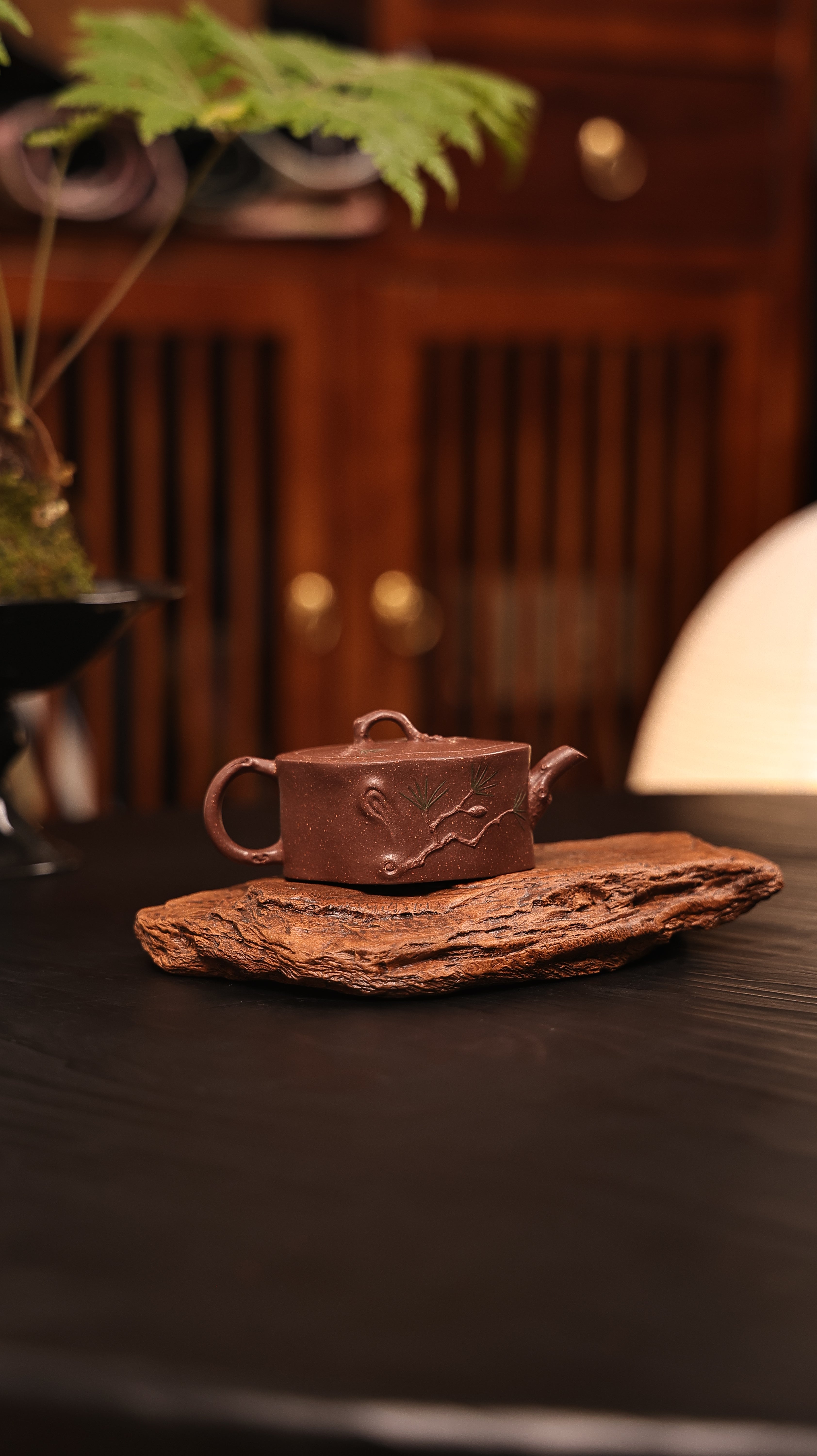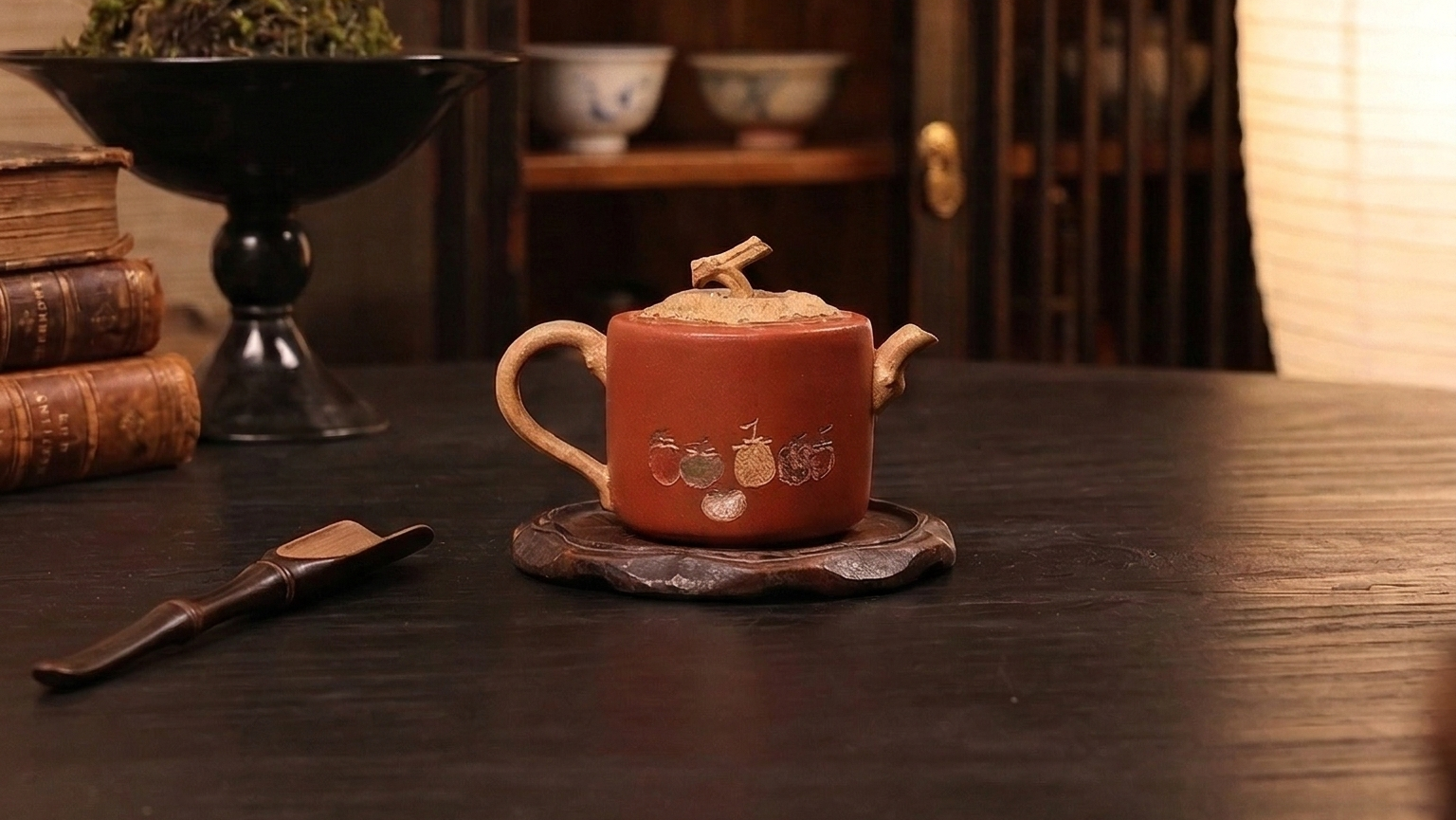
Epochs of connoisseurs have yearned the exclusive attraction of Yixing Zisha kettles. Emerging in the cozy town of Yixing, the republic, these teapots are made from a rare and collected purple clay acknowledged for its notable thermal traits and tendency to improve the flavor of extracts. Outside of their operative merit, Zisha teapots symbolize a time-honored traditional inheritance, making them highly esteemed and a real gem for any zealous teapot collector.
Investigating Yixing Clay Pots
Famous teapots illustrate a distinctive fusion of history and expert craftsmanship. Rooted in Yixing, Jiangsu Province of China, their narrative originates in the Ming Dynasty, although documentation suggest earlier manifestations. The exceptional purplish clay, called Zisha, found just in the Yixing region, is the crucial component, contributing to the pots' superior heat keeping and the manner they affect the quality of tea. Dynasties of potters have refined techniques—often relayed through families—including forming the clay, applying exquisite embellishments, and firing the pots at controlled temperatures.- Historically, Yixing teapots were often enhanced with simple designs.
- Later, more detailed carvings and pictorial motifs became prevalent.
- The firing process itself is a key element, requiring prolonged intervals of experience.
Collecting Zisha Teapots: Vital Considerations
Initiating a mission to gather Zisha containers can be fulfilling, but it’s necessary to learn what to examine. Authenticity is fundamental; focus on the earth’s natural cast, a subtle reddish-brown is characteristic. Examine the consistency; genuine Zisha has a unique tactile sensation, often explained as slightly unequal. The shape should be harmonious and consistent with established styles, while signatures, if present, require meticulous examination for truthfulness. Don’t hesitate to consult with seasoned specialists or respected sources – their knowledge is indispensable.
Oriental Pots: Delving into the Custom of authentic Pottery
Millennia have seen Yixing Purple Clay teapots Chinese Teapot occupy a important role in Chinese legacy. These exquisitely made pots, sourced solely from the territory of Yixing, are noted for their singular cast, nature, and their ability to heighten the aroma of tea. Numerous collectors pursue antique Yixing teapots, regarding them deeply not only for their aesthetic attractiveness, but also for the records they stand for.
Yixing Zisha Teapots: Distinguished Best Sorts and Their Details
Yixing Ceramics teapots, originating from the traditional province of Yixing, the land, are well-known for their uncommon clay and first-rate brewing features. Throughout the numerous Zisha types, those categories that are highly prized include Qingtian. Binzhou, known for its strong purple shade and silky texture, delivers a delicate flavor. Duan Ni subclass, recognizable by its rusty color and a bit grainy feel, is believed to enhance a richness. Lastly, Zhuni faction boasts an infrequent crimson tone and can offer a agreeable nuance. Each class presents a distinct experience, affording them notably desirable with tea enthusiasts.
Perfecting Individual Clay Kettle
To reveal the power of your Yixing vessel, knowing the correct way is crucial. These clay pots, celebrated for their absorbency, will eventually assimilate the character of the tea you create within them. Begin by scrubbing the kettle thoroughly with hot water. Then, use only first-class unpacked leaf tea, as lower quality options can impair the clay’s delicate nuance. Always enable the leaves to open completely, and remember that with each session, your Yixing jar will become gradually distinct.
Sustaining Your Rare Zisha Keepsake
Proper treatment for your Zisha kettle is important to maintaining its durability and worth. Zisha clay, praised for its unique tone and makeup, requires delicate handling. Never use stringent soaps, as these can ruin the surface. After every application, rinse the jar with mild water and allow it to cool off completely.
- Do not soaking the pitcher for extended periods.
- Intermittently use a soft cloth to buff the exterior.
- Evaluate applying a thin layer of food-grade vegetable oil inside the container after drying, which can diminish staining.
Overview of Yixing Teapots
Yixing brew vessels, originating from the Yixing zone in Jiangsu Province, China, are celebrated for their distinctive features. Shaped from the unique purple clay known as Zisha, these containers are prized by brew enthusiasts worldwide. This digest will briefly explain the principles – covering forms of Zisha composite, popular shapes, and important care recommendations. Understanding the foundation of Yixing jars can enhance your appreciation for this esteemed example of Oriental folklore.
Trade of Chinese Clay Pots: Concentrating on Zisha found in Yixing locality
Zisha compound from Yixing represents the height of Zhongguo earthenware design, exhibiting a exclusive compound of elemental beauty and valuable artistry. These celebrated pieces are honored for their rich color palettes, often spanning dark purples and brown hues to gentle greys and pale beiges. The particular mineral composition of the area’s Zisha ground imparts a signature texture and generates a satisfying aroma that elevates the complete brew experience, rendering them highly sought-after collectibles and essential components of any serious tradition.