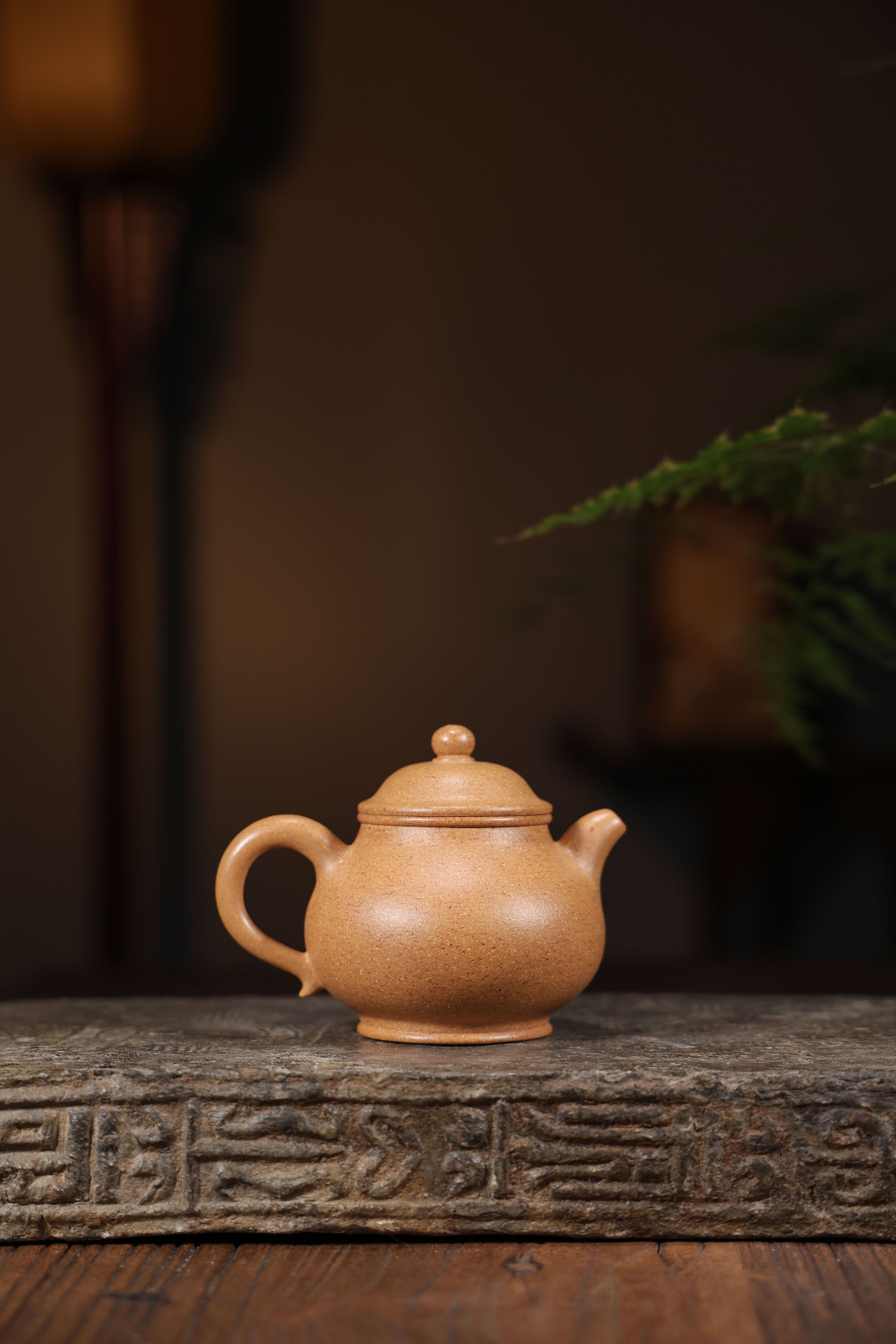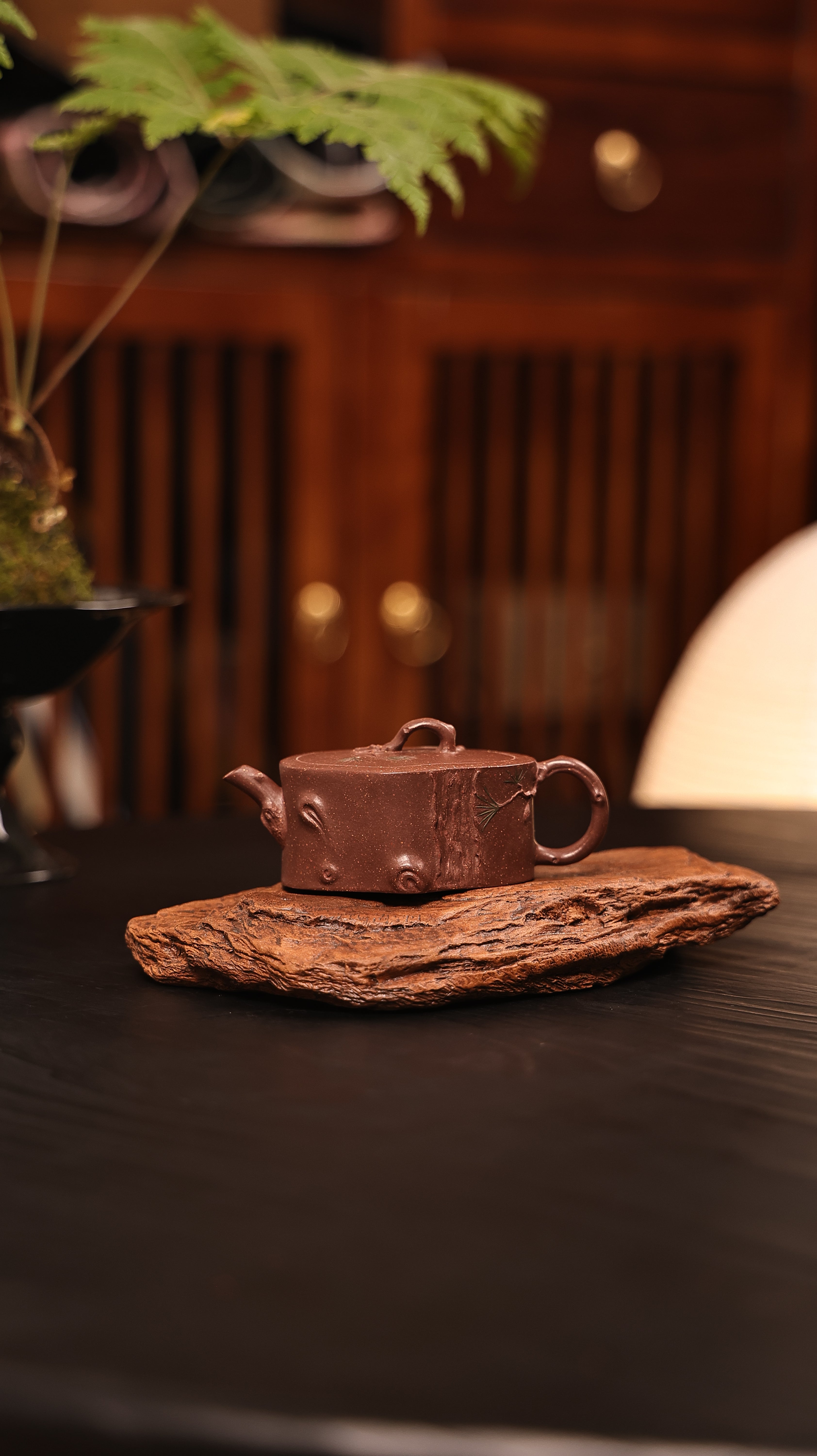
Periods in enthusiasts have long favored the distinctive charm of Yixing Zisha pots. Rooted in the small town of Yixing, the republic, these teapots are made from a rare and collected purple clay acknowledged for its superior thermal features and tendency to enhance the richness of concoctions. Exceeding their operative merit, Zisha teapots symbolize a time-honored traditional legacy, rendering them markedly coveted and a authentic masterwork for any enthusiastic teapot appreciator.
Understanding Yixing Pitchers
Traditional teapots exhibit a distinct amalgamation of history and skilled craftsmanship. Developing in Yixing, Jiangsu Zone of China, their narrative goes back the Ming Dynasty, although manifestations suggest earlier expressions. The singular wine-colored clay, called Zisha, found uniquely in the Yixing region, is the crucial component, contributing to the pots' excellent heat sustaining and the manner they shape the aroma of tea. Generations of potters have developed techniques—often transmitted through families—including crafting the clay, applying elaborate embellishments, and firing the pots at deliberate temperatures.- Initially, Yixing teapots were often ornamented with simple designs.
- Afterwards, more complex carvings and expressive motifs became common.
- The baking procedure itself is a essential element, requiring decades of proficiency.
Accumulating Zisha Teapots: Critical Aspects
Setting out on a search to accumulate Zisha earthenware can be enjoyable, but it’s imperative to grasp what to inspect. Authenticity is paramount; focus on the terrain’s natural hue, a soft reddish-brown is traditional. Examine the feel; genuine Zisha has a notable tactile sensation, often expressed as slightly uneven. The configuration should be well-proportioned and consistent with classic styles, while stamps, if present, require precise examination for genuineness. Don’t refrain to consult with skilled authorities or reputable references – their perception is immeasurable.
Renowned Vessels: Examining the Culture of famous Ceramics
Centuries have seen Yixing Purple Clay teapots occupy a important role in Chinese legacy. These exquisitely made pots, sourced primarily from the territory of Yixing, are noted for their singular cast, quality, and their ability to enrich the profile of liquids. Many collectors seek antique Yixing teapots, prizing them greatly not only for their aesthetic appeal, but also for the past they symbolize.
Yixing Zisha Teapots: Such Premier Categories and Their Qualities
Yixing Pottery teapots, sourced from the regional locale of Yixing, this nation, are renowned for their unique clay and outstanding brewing skills. Amid the multiple Zisha types, particular forms that are highly prized include Binzhou Purple Sand. Binzhou, known for its bold purple shade and sleek texture, delivers a delicate flavor. Duan Ni form, recognizable by its rusty color and slightly grainy feel, is believed to enhance a robustness. Lastly, Zhuni variety boasts an uncommon maroon tone and can bestow a mild nuance. Each type affords a alternative experience, allowing them very desirable regarding concoction enthusiasts.
Excelling at The Artisan Pitcher
To experience the full potential of your Yixing pitcher, mastering the correct method is fundamental. These clay teapots, celebrated for their porosity, will progressively accept the core of the tea you steep within them. Begin by purifying the pot thoroughly with hot water. Then, use only fine whole leaf tea, as lower quality options can impair the teapot’s delicate flavor profile. Always enable the leaves to open completely, and remember that with each application, your Yixing vessel will become perpetually special.
Securing Your Invaluable Zisha Treasure
Proper treatment for your Zisha teapot is important to preserving its quality and appreciation. Zisha clay, hailed for its unique nuance Purple Clay Teapot and consistency, requires considerate handling. Never use strong formulas, as these can damage the layer. After every use, rinse the pot with room temperature water and allow it to ventilate completely.
- Decline soaking the teapot for extended stretches.
- At intervals use a soft fabric to dress the exterior.
- Consider applying a thin layer of food-grade fat inside the urn after drying, which can prevent staining.
Basics of Yixing Clay Pots
Yixing containers, originating from the Yixing province in Jiangsu Province, located in China, are celebrated for their distinctive traits. Shaped from the unique purple clay known as Zisha, these containers are prized by brew enthusiasts worldwide. This digest will briefly explain the principles – covering forms of Zisha ground, prevailing shapes, and important care recommendations. Understanding the tradition of Yixing pitchers can heighten your appreciation for this classic example of Eastern custom.
Expertise of Eastern Pots: Highlighting Zisha sourced from the Yixing area
Zisha soil from this city of Yixing represents the culmination of Asian jar design, featuring a distinctive combination of organic beauty and useful artistry. These outstanding pieces are celebrated for their profound tones, often varying from robust purples and chestnut hues to light greys and gentle beiges. The unique mineral composition of the exclusive Zisha terrain imparts a identifying texture and offers a desirable aroma that boosts the total infusion experience, causing them very desired collectibles and essential components of any serious tradition.