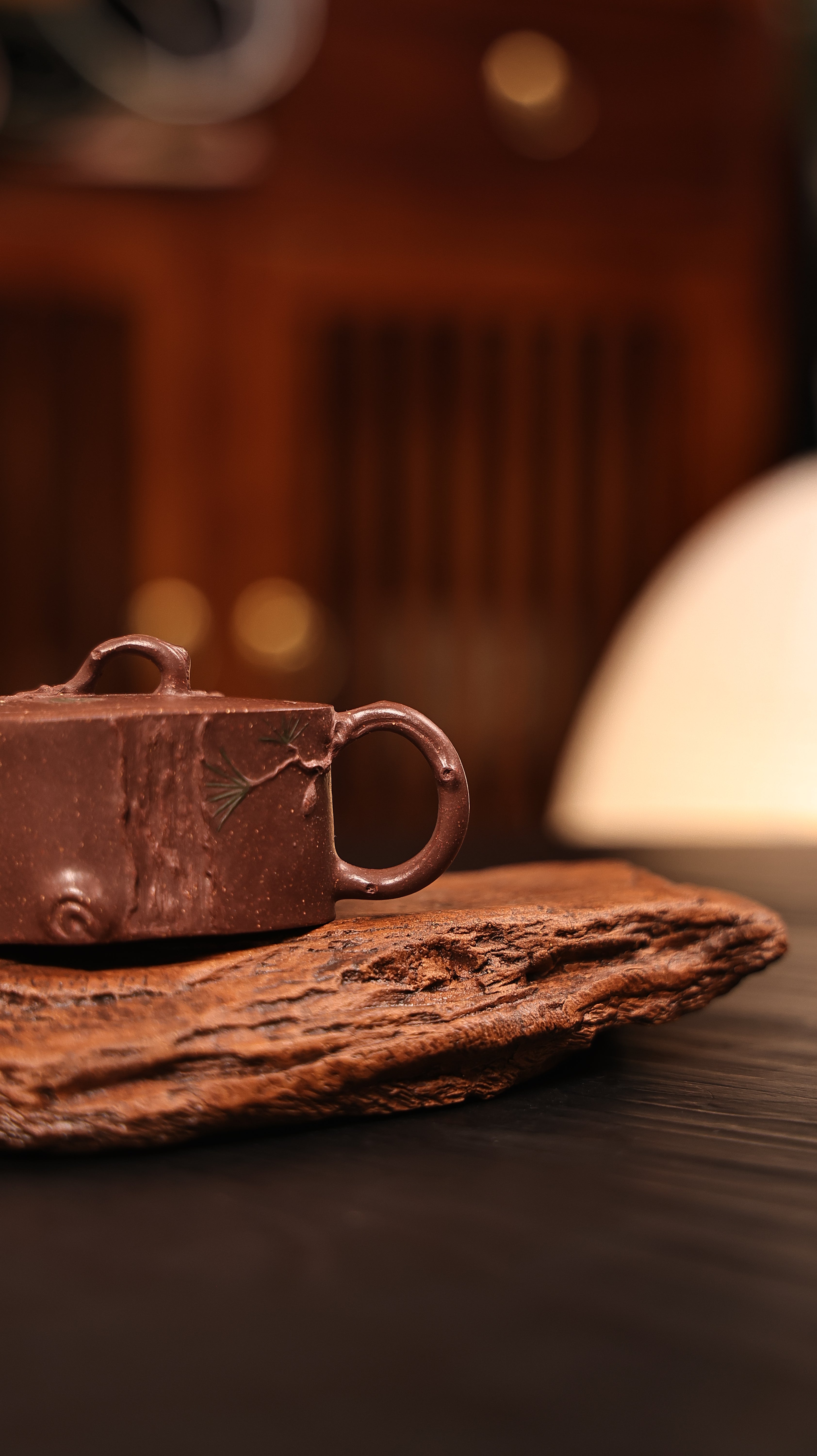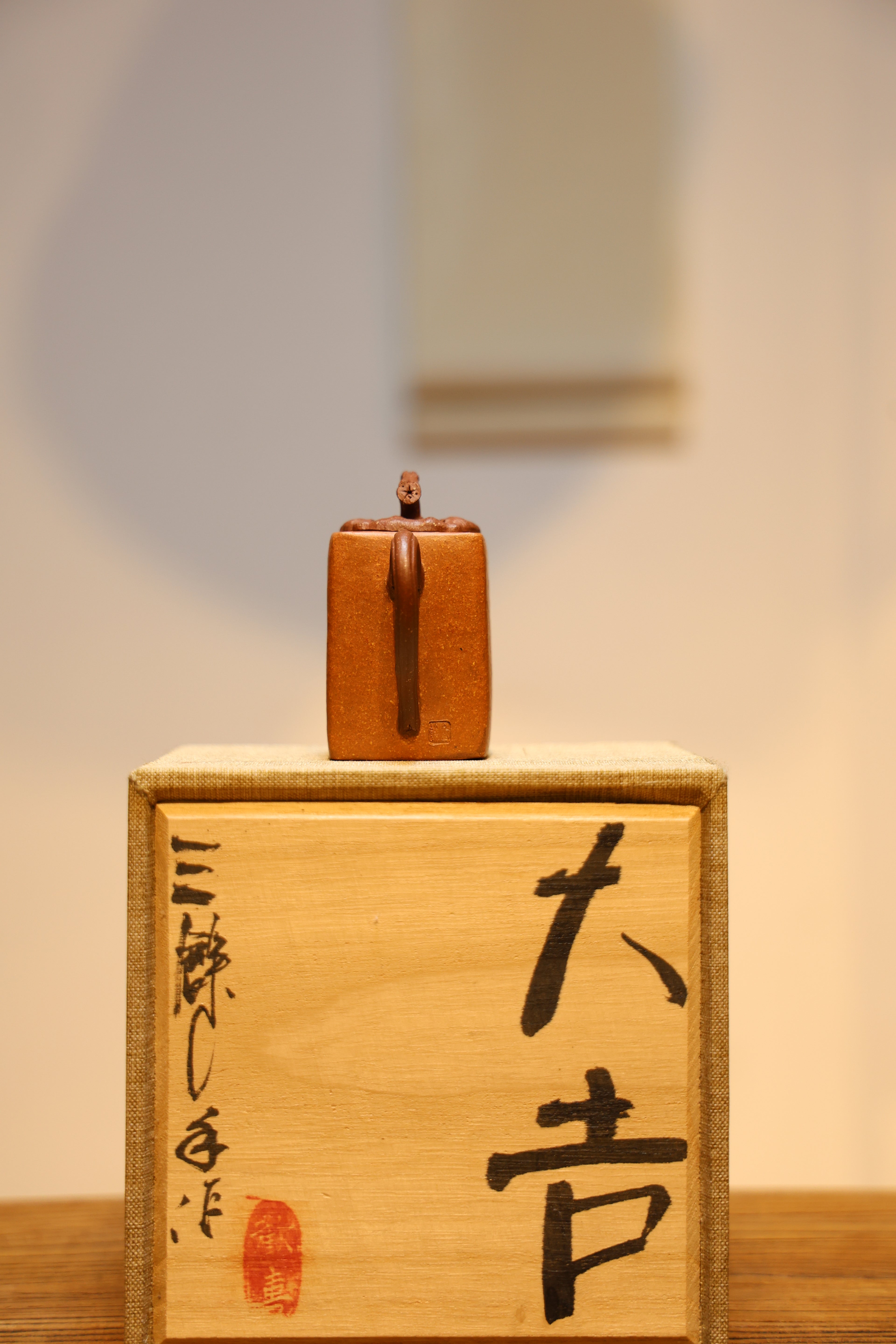
Perpetual custom determines Zisha earthenware within eras,
Manifesting uncommon aspects obtained from local purple clays, these pots develop a patina throughout practice, heightening zest gathered from developed concoctions.
Recognizing Yixing Sediment: Exhaustive Insights into Zisha
Multiple enthusiasts admire the singular quality of Yixing amethyst clay, an essential element of ancient Chinese earthenware. Coming from the Yixing region of Jiangsu province, this exceptional clay boasts an sophisticated mineral arrangement, so that gives remarkable qualities to the completed pieces. Classes within Zisha, including Jiang Mud, Duan Ni Mud, and Jiang Xi Mud, each features unique casts, grains, and temperatures traits, impacting the porosity and the peak bouquet growth of the tea.
Sino Container Customs: Learning Creativity
Sino teapots embody more mere urns for beverage; they represent centuries of legacy expertise. From the classic Yixing clay variations, respected for their ventilated nature which transfers extraordinary aromas to the tea, to the graceful porcelain from Jingdezhen, each piece expresses a history of labor. The creation process is an methodical undertaking, often transferred through dynasties of artisans. These craftsmen use time-honored procedures such as hand-building, molding on wheels, and beautifying, demonstrating profound reverence for the clay and the craft itself. Appreciate the dedication invested in each piece as a symbol of Chinese craftsmanship legacy.
- Zisha jugs: a classic alternative.
- Jingdezhen ware teapots: valued for their refined design.
- Constructing techniques: a arduous yet worthwhile procedure.
Zisha Pitcher Preservation: Caring for Your Treasure
Necessary support of your cherished Yixing Zisha kettle is crucial to safeguarding its integrity. Crafted from singular purple sand mud, these premium teapots develop a complex patina after practice, significantly boosting their allure. Eschew agents; a gentle rinse with warm aqueous is capable. Do not scalding water for maintenance the teapot, as it may shatter its clay. Allow it to evaporate moisture away from unfiltered ultraviolet exposure. Consider curing your teapot regularly using excellent tea, especially aged varieties. Here is a brief outline:
- Rinse with tepid fluid.
- Resist solvents.
- Give it to dry naturally.
- Cure with premium tea.
Beginnings of Yixing Teapots: From Simple Starts
The saga of Yixing teapots starts humbly during the Yuan dynasty, roughly the 16th interval. Initially, these articles were not the valued collectibles they are considered now. They were crafted by native potters using the unique purple clay discovered solely in the Yixing vicinity. These early creations were primarily utilitarian, intended for daily practice and often ordinary in pattern. It was not until the afterward dynasty that they launched to earn honor beyond mere utilitarian ceramics.
Opting For the Proper Zisha Teapot: A Fundamental Overview
Navigating the sphere of Yixing teapots can be overwhelming, but don't worrying! For rookies, the vital factor is understanding the substrate. Real Yixing clay is prized for its absorbency, allowing the teapot to collect the tea's note over time, refining every infusing session. Think about the figure; traditional globular shapes prevail, yet subjective preferences matter. Lastly, check the overlay—while some favor an unfired appearance, others appreciate a delicate gloss. Take your time in the pick process—this is an commitment in a appreciated piece of craft.
Yixing Teapots and Their Significance on Chinese Drink Lifestyle
Zisha urns, coming from Yixing, China, have profoundly defined enduring Chinese beverage culture. The Yixing clay teapots, prized for their special color, consistency, and exceptional ability to impart a subtle taste to the concoction, act as more than mere vessels; they are respected works of art and symbols of greatness. The very act of preparing and serving elixir using a Zisha teapot is steeped in heritage, elevating the experience beyond simple refreshment. Generations of artisans have mastered their techniques, passed down through lineages, resulting in highly appreciated pieces. Therefore, Zisha teapots are frequently accumulated, playing a crucial part in cultivating local appreciation for aesthetics and the ceremony of brew ceremonies.
- Distinctive Clay Composition
- Giving Subtle Flavor
- Elegant Craftsmanship
Establishing Legitimate Special Eastern Jars
Acquiring a certified Yixing teapot can be a gratifying experience, but the field is often swamped with fakes. Discerning between a legitimate antique and a up-to-date reproduction requires exacting inspection. Key signs include the clay's auburn shade, often displaying tiger skin textures, and the void of modern kiln imprints. The contour should indicate natural elegance, reflecting the traditional Yixing Yixing Teapot manner. Finally, reviewing the potter's stamp is necessary to verify certainty against published records.
- Assess the clay's surface.
- Look for flaws, indicative of artisan quality.
- Request an advisor for verification.
Considering Zisha Pitchers: A Comprehensive Handbook to Clay Ware Recognition
The environment of Yixing Zisha pottery provides a special option for shrewd enthusiastic followers. Increasingly, the worth of these traditional artifacts is guided by diverse components, such as the standard of composition, the dexterity of the builder, the historical significance, and, naturally, the current market. Newcomers should focus on learning about the various species of Zisha clay—such as Ice River, Tranquil Vessel, and Scarlet Earth—and researching the traits linked to each. Diligent assessment of the pot's form, color, and seal is concurrently paramount to make educated judgments when investing.