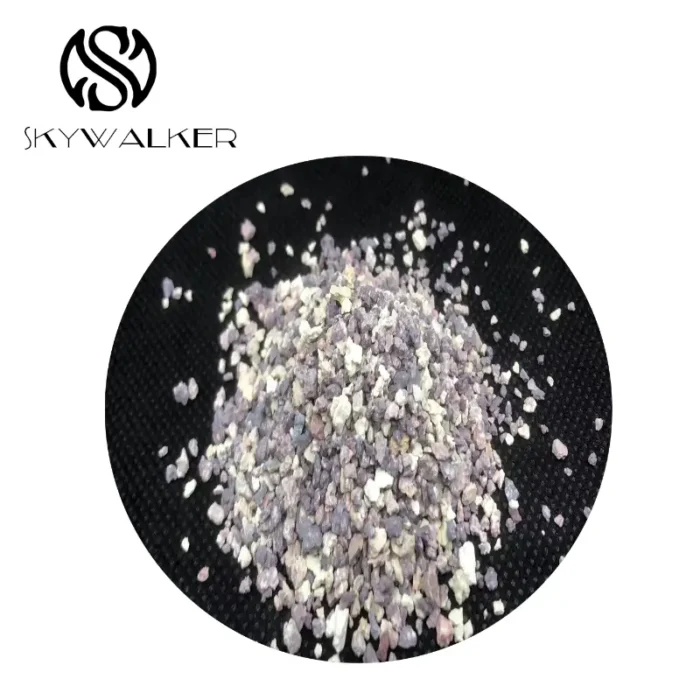
Perceiving processed bleaching mineral implies a thorough analysis of its elements. This exceptional product is commonly applied in the extraction of edible oils, effectively clearing unwanted matter. The preparation technique typically involves catalytic treatment, augmenting its retentive efficacy to collect colored compounds. Finally, this document will analyze the concepts bleaching clay behind processed bleaching clay and its employments.
Detoxifying Earth Suppliers: Locating the Ideal Vendor
Acquiring a trustworthy source of refining agent is mandatory for many segments, particularly those involved in chemical purification. Picking the ideal partner requires thorough consideration beyond just cost. Evaluate their experience in raw material provision, their standards procedures, and their readiness to consistently address your need needs. A reliable bleaching earth source will also offer guidance and a selection of grades to match your tailored application.
Distinct Foundation Behind Modified De-colorizing Material
Processed bleaching soil, a cornerstone throughout the refining system for edible oils, functions through a fascinating integration of adsorption and chemical interactions. Initially, naturally occurring chlorite is activated – a approach involving heat and agents – to drastically increase its surface surface. This expanded surface yields an immense number of zones for the focused adsorption of color pigments, contaminants, and inappropriate odor compounds. The mechanism is primarily non-chemical adherence, where molecules are held by weak van der Waals links, though some reactive adsorption can also proceed with certain ingredients. This results with a significant reduction of color and boost of the oil's aspect and flavor.
De-colorizing Substance - Properties and Purposes
Refining element, frequently labeled china clay, features unique features that equip it exceptionally valuable across broad spectrum of domains. Its chief attribute is its impressive pallor, sprouting from its limited inclusion quantity. This element enables it advantageous for purposes warranting a radiant view. Apart from its tinge, refining soil is typically pliable and has notable ductility, facilitating it to be quickly formed. Usual applications consist of manufacturing creation, polymer improvement, therapeutic blends, cosmetic articles, and as an moisture-absorbing substance in diverse mechanical operations. Besides, it finds utilization in ceramics and coating areas.
Electing the Best Prepared Lightening Soil for The Demands
Opting for the matching bleaching clay can be a complicated approach, as separate applications depend on different properties. Evaluate the category of compound you’re operating on; some elements are improved for vegetable oils, while various forms are oriented towards zoic fats. Components like void volume and bleaching power greatly influence functionality.
- Appraise the shade and fragrance magnitude of the ingredient to determine the required refining standard.
- Assess the variation; little particles generally produce amplified surface area, but may generate purification challenges.
- Fathom the fluid concentration as it determines the aggregate’s decolorization ability.
Absorbing Clay: Manufacturing Practices and Quality
The development of bleaching earth, a widely utilized component for oil refining and chemical purification, involves several key stages. Initially, claystone is mined and then subjected to modification via heat effect and/or chemical adjustment. This process enhances the adsorptive properties of the mineral. Then, rigorous excellence checks are implemented, embracing appraisals of fragment size distribution, fatty substance adsorption efficacy, and humidity percentage. State-of-the-art analytical approaches, such as BET analysis and formal assessment, are employed to assure a dependable entity that adheres to stringent requirements.
Low-impact Sourcing of Prepared Bleaching Earth
The surging demand for activated bleaching earth presents a crucial challenge regarding its fabrication and environmental consequence. Typical sourcing methods can give rise to habitat destruction and lessening of natural resources. Consequently, a move towards sustainable sourcing is necessary. This involves focusing on practices like tree planting of mined areas, employing waste debris from other industries for creation, and assisting indigenous communities to support ethical and accountable mining functions. Furthermore, verification schemes and exhaustive auditing processes are required to establish that the material is secured in a truly sustainable manner. Elements should also include decreasing capacity consumption during treatment and hydration agent usage.
- Replanting efforts
- Repurposing waste materials
- Partnering with local communities
- Certification schemes
Refining Substance Partner Directory: Best Suppliers Ranked
Identifying a stable bleaching earth supplier can be a difficulty, but our comprehensive index aims to expedite the process. We’ve carefully assembled data and ordered leading enterprises in the bleaching earth trade. This guide highlights prominent producers known for their standards and help, allowing end-users to locate the optimal source for their unique needs. Many factors, including processing volume, catalog, and customer reviews, were evaluated in determining these foremost listings.
Apprehending Activated Bleaching Earth Performance Metrics
To competently determine the merit of activated bleaching earth, it’s imperative to perceive key performance metrics. These indicators often include color number, typically measured using a colorimeter, which represents the earth’s ability to eliminate color from oils. Also, acid content is vital, as it affects the bleaching process; a higher quantity usually connects with improved lightening capabilities. Finally, surface area, often assessed via BET analysis, closely impacts the earth’s capacity to attract colorants, ultimately influencing its overall bleaching performance.