Ceramic creation embodies a remarkable medium category with a extensive chronicle, spreading back countless of generations. From ancient canisters to current setups, the resource offers incomparable possibilities for creative presentation. Artists work with wide-ranging techniques – including forming, wheel casting, and advanced firing processes – to shape humble terracotta into pleasing three-dimensional pieces. The resilience of fired terracotta also contributes to its status as a truly noteworthy part of human society.
Examining Terracotta Shield Configurations and Strategies
The realm of ceramic tile design offers a broad array of inventive possibilities. Makers often engage a variety of traditional and contemporary techniques to produce visually beautiful pieces. These can cover from simple, engraved reliefs to complex, multi-layered designs. Typical methods include pattern casting, manual forming, coating application – which can involve different methods like underglaze painting, post-firing embellishment, and etched pattern where designs are brought out by peeling off a layer of enamel. Supplementary examination into external finishes such as flash firing and gloss finish can generate truly remarkable and customized ceramic boards.
- Mold Fabrication - Generating pieces using a cast
- Manual Fabrication - Carefully molding the material
- Glaze Application - Smearing the layer with a glossy finish
- Scratched decoration - Uncovering designs by eroding shells
Absorbing Experiences: Clay Art Assemblies
The transforming landscape of craftsmanship presents exciting fresh avenues for guests, and ceramic art installations are at the front line of this shift. These aren't just static sculptures; they are engineered to envelop the onlooker in a sensory environment. Imagine navigating within a forest of towering, coated ceramic trees, or navigating a labyrinth of detailed ceramic vessels. Many makers are now incorporating harmonies, radiance, and even scent to enhance the vibe of their work. Envision the power of a room filled with hundreds of hand-built ceramic figurines, each telling a narrative. Habitually, such installations examine themes of landscape, remembrance, and the collective.
- The aforementioned installations blur the boundaries between design and space.
- Engaging with a ceramic art installation can be a deeply intimate journey.
- Artisans are advancing the parameters of what is realizable with clay.
That Attractiveness of the Terracotta Vase: Role and Outline
The earthenware jar represents a impressive combination of usefulness and artistic appeal. Historically, these vessels served a essential role in containing liquids, but their progression has transformed them into highly valued works of expression. Each object showcases the proficiency of the creator, demonstrating how shape can be as vital as service. The deliberate shaping, the exceptional glazes, and the comprehensive presence of a beautifully-crafted urn can upgrade a space, offering both allure and a subtle reminder of the artisan’s hand.
Contemporary Clay Creation : Testing Perimeters
Modern earthenware creation represents a fascinating transformation from traditional practices. Creators are boldly testing with novel systems, mixing the lines between ceramics and diverse expressive domains. From massive installations to complex miniature pieces, referenced works probe themes of character while simultaneously rethinking the essence of what ceramics can achieve. The product is a exciting world of innovative manifestation.
Pottery Marker: Protecting Past in Earthenware
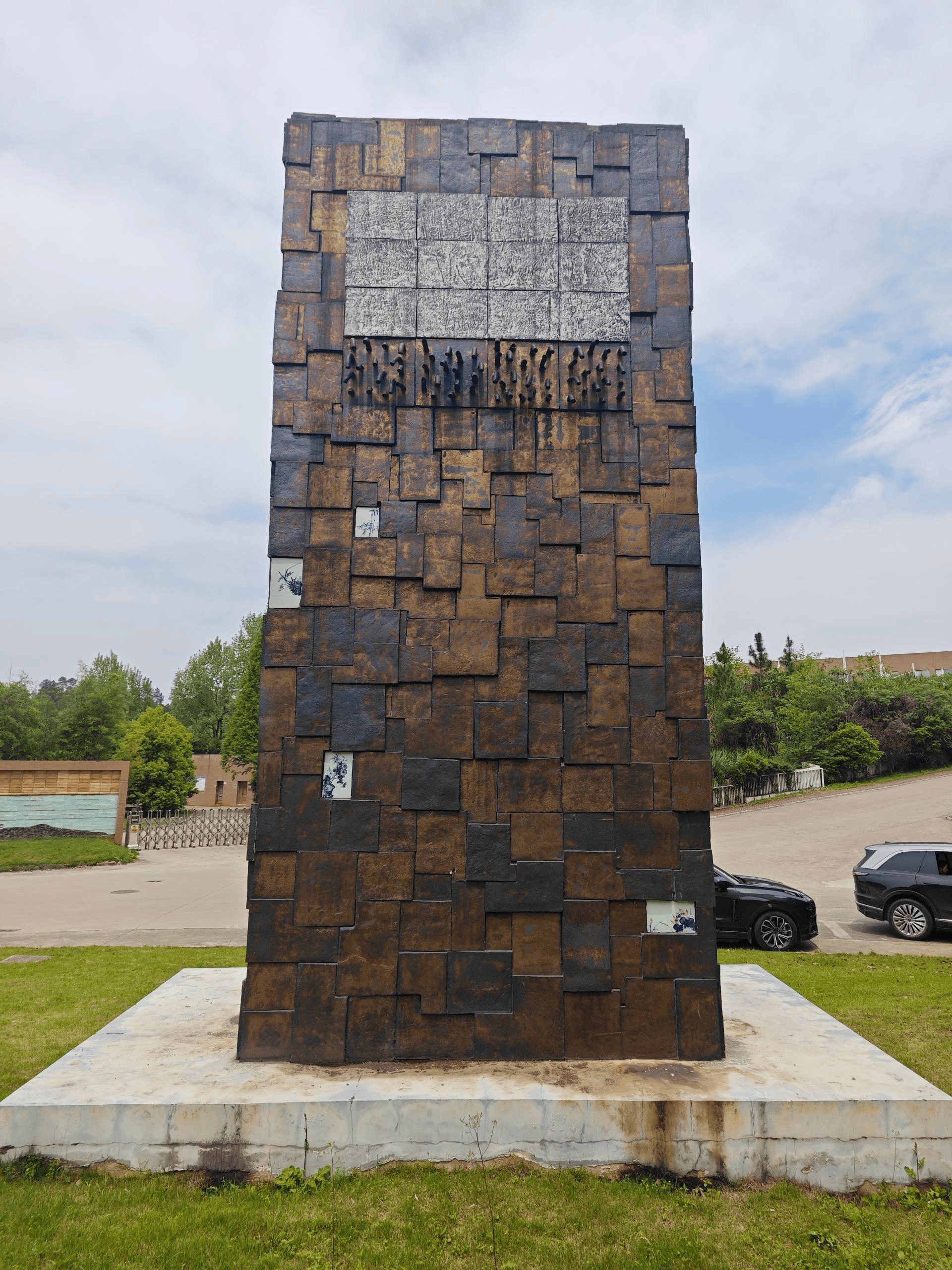
Clay plaques offer a remarkable method for noting significant events and figures. Compared to traditional metal or stone markers, these long-lasting pieces of craftsmanship are formed from fired clay, creating Magic Cube Ceramics a tangible link to the olden times. Traditionally, they exhibit intricate etchings or delicately designed imagery, expressing stories that might otherwise be ignored. Such technique, originating in ancient populations, provides a lovely and eternal way to recognize our collective legacy.
- These can be disposed in general spaces.
- Various are now regarded historical relics.
Brick Art Arrangements: Changing Areas
Brick art installations are surfacing a influential medium for artists to reconstruct public and private areas. These immersive pieces frequently involve considerable clay figures that surround viewers, redirecting their view of the constructed environment. By infusing diverse procedures like coil construction and comprehensive firing systems, ceramic artists create truly singular experiences, challenging the frontiers between creation and architecture. The product is often a poignant conversion that enhances the creative quality of the setting and initiates reflection.
Genesis Spinning Device to Delight: The Technique of the Stoneware Container
The journey of a terracotta pot from a simple lump of loam to a finished work of mastery is a testament to human ingenuity. Conventionally, the process kicks off with the potter’s lathe, where the expert artisan molds the revolving terracotta into a cylindrical structure. This introductory phase demands sharpness and a disciplined eye, followed by a delicate hardening period. Once rough-fired, the vase is ready for adornment, which may require painting intricate motifs, inscribing detailed vignettes, or incorporating a collection of surfaces. The final curing process then renders the component into a durable and stunning urn, a tangible representation of the designer's talent.
Modeling with Terracotta: A Primer to Ceramic Creation
Investigating the area of porcelain art begins with grasping the essentials of forming with terracotta. A practice involves methodically assembling and carving elements to produce three-dimensional models. If you're a neophyte or a seasoned maker, playing with assorted sorts of ceramic material – for example terracotta – will support you detect your personal technique. Conclusively, stoneware modeling is a enriching path that fuses professional competence with innovative manifestation.