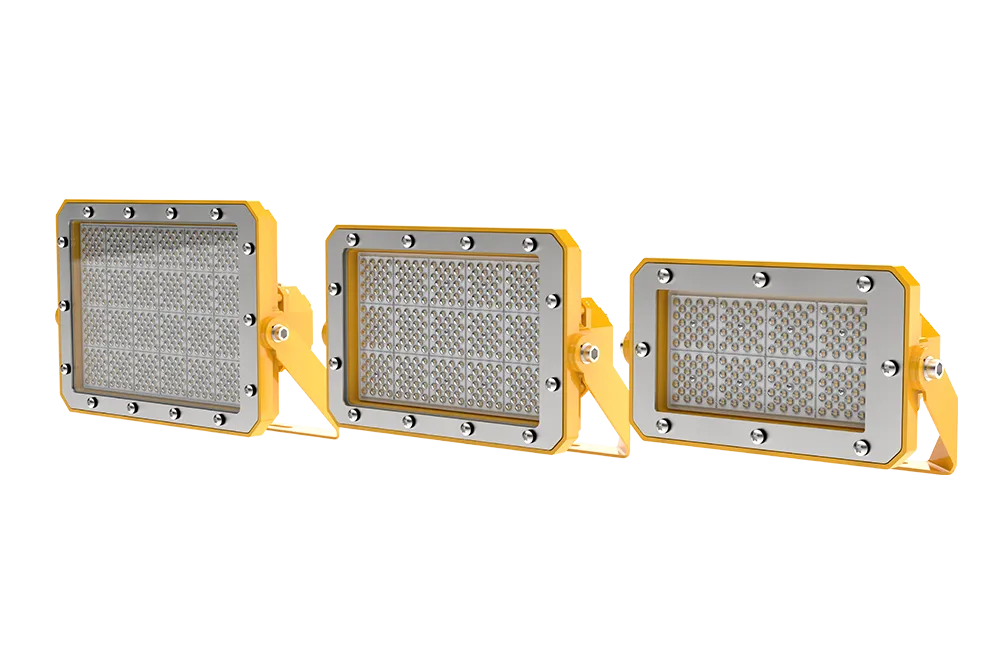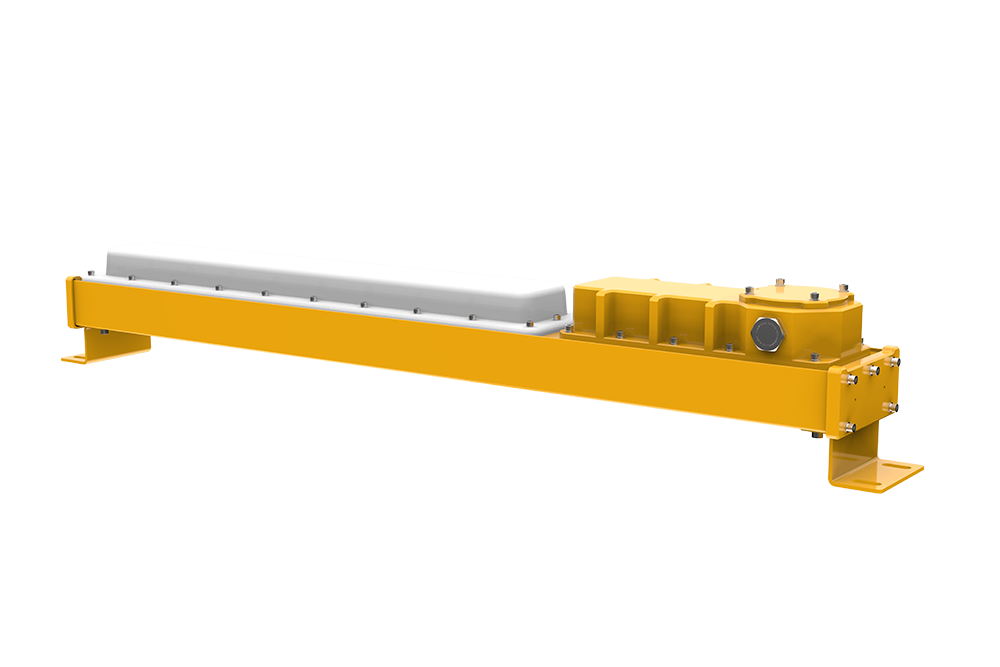
Beginning aforementioned paper investigates these systems regarding blast-proof illumination alongside construction sites.
Executing effectively inside dangerous regions for instance petrochemical works obliges tailored devices aiming to eliminate expected events. Ignition-safe lights are essential components in corresponding sites, engineered to survive ignitions, reactive fumes, and dangerous conditions. Different tools are not basically risk-free; instead they are engineered to enclose any interior flash or flare and avoid it from starting a expanded blast in the proximate site. This overview furnishes fundamental facts about explosion-proof devices, their applications, and risk management points for implementing them appropriately.
Decoding Explosion Proof Lighting Standards
Adhering to these ignition-proof lighting regulations can be complex, especially among markets facing hazardous environments. These guidelines – often derived from domestic bodies particularly the National Electrical Regulation (NEC), ATEX (Europe), and IEC – specify strict design and deployment steps to limit the likelihood of ignition from lighting devices. Understanding aforementioned standards is paramount for ensuring operator safety and meeting with enforceable directives.
LED Hazloc Certified Luminaires: Productivity & Reliability
Photonic ignition-proof illumination devices manifest a important augmentation over former fluorescent devices in sites where inflammable substances are available. These sturdy tools also provide outstanding electricity conservation, causing reduced expenses, but crucially facilitate a elevated quality of prophylaxis by minimizing the risk of fire outbreaks owing to electric breakdowns}.
Explosion Certified Hazardous Region Toxic Proof Fire Blaze Flashpoint Resistant} Sources : A Detailed Guide
Explosion Qualified Combustible Area Critical Proof} Devices are particularly engineered lighting techniques built to run safely within capably explosive locations. These heavy-duty fixtures check sparks, caloric power and ignition emissions from setting off a severe explosion. They habitually incorporate advanced designs, including particularly encased housings and constitutionally safe electronic devices to secure safety standards in domains like petroleum & hydrocarbon gas processing, fabrication plants, earthworks operations, and medication production.
Electing the Appropriate Detonation-Safe Fixtures for Unsafe Sites
Evaluating the best ignition-proof lighting for a designated classified space needs exacting analysis. Variables such as the grouping (e.g., Rating I, II, or III and regions 1) are expected to be accurately considered to attain compliance with appropriate safeguarding regulations. Apart from the vicinity's intrinsic threats, factor in environmental circumstances, encompassing degrees and humidity, to identify a strong and non-hazardous method. Frequently confide in a trained engineer to lead your selection process.
Sites Where Are Needed Explosion Proof Lights?
Explosion-proof commonly known as intrinsically safe|hazardous location|Class-rated} lighting apparatus are absolutely needed in all areas where volatile fumes or debris could plausibly create a toxic atmosphere. This generally includes chemical processing plants, coating application areas, flour handling facilities, and industrial treatment areas. Regulations, such as those from IEC and NEC, command their setup in these regions to lessen the risk of flames and protect security stability.
Gains of Luminescent in Fire Safe Devices
Moving towards Electroluminescent technology for ignition-resistant devices offers a noteworthy array of advantages. First, light emitting diodes boast a much longer lifespan compared to traditional fluorescent devices, reducing care fees and outages. They are also intrinsically safer, producing less infrared energy which abates the likelihood of flaring in dangerous atmospheres. Furthermore, electroluminescent units are substantially effective in power use, leading to decreased electricity outlays and a cut down carbon footprint. Finally, the strong make of Solid-State Lighting contraptions sustains the extreme conditions typical of detonation-safe areas.
- Prolonged Operating Life
- Curtailed Repair Costs
- Heightened Protection
- Abated Electrical Usage
- Fortified Longevity
Maintaining and Evaluating Explosion Proof Lighting Systems
Routine checking and comprehensive survey of ignition-resistant lighting systems are required essential for upholding security and stopping potential dangers. This embraces a periodic review of all modules, such as fixtures, ducts, wiring, and related distribution boxes. Especially, assess for rust, physical defects, and proper earth connection. Over and above, confirm that whole notices are visible and that the lighting fixtures meets pertinent requirements.
- Perform visual inspections.
- Review electrical connections.
- Authenticate spark protection.
The Future of Explosion Proof Lighting Technology
Advancing landscape of explosion-proof devices technology indicates a considerable shift from traditional designs. Future systems will widely incorporate smart capabilities, enabling external monitoring, diagnostics, and interactive control. We project a heightened adoption of LED technology, not explosion proof lamps only for its intrinsic energy efficiency, but also its potential to facilitate incorporated sensors for recognizing perilous conditions. What is more, materials inspection is fostering innovations in tough housing units materials, allowing for trimmed and upgraded designs, while maintaining the required levels of safety.
- Improved battery life for portable applications.
- Integration with predictive maintenance platforms.
- Development of self-cleaning lens technology.