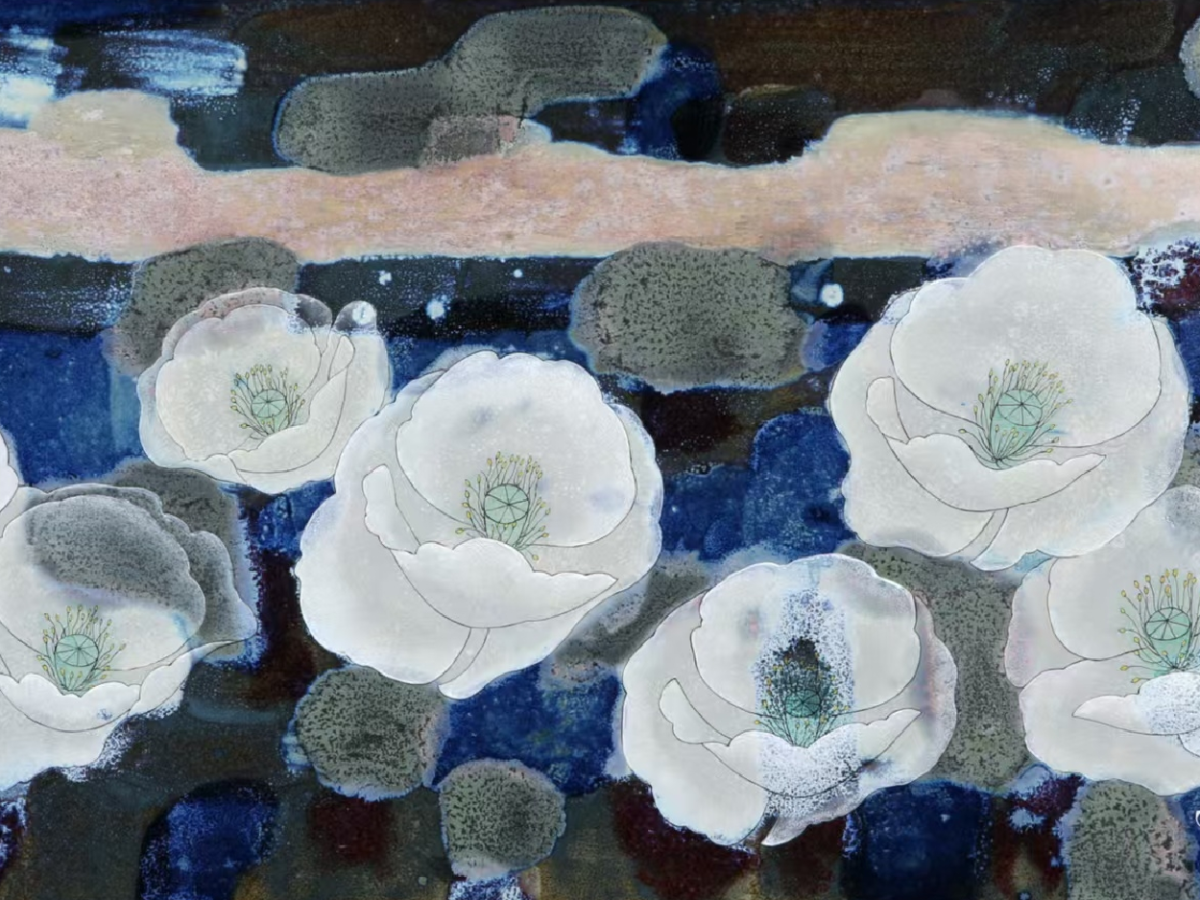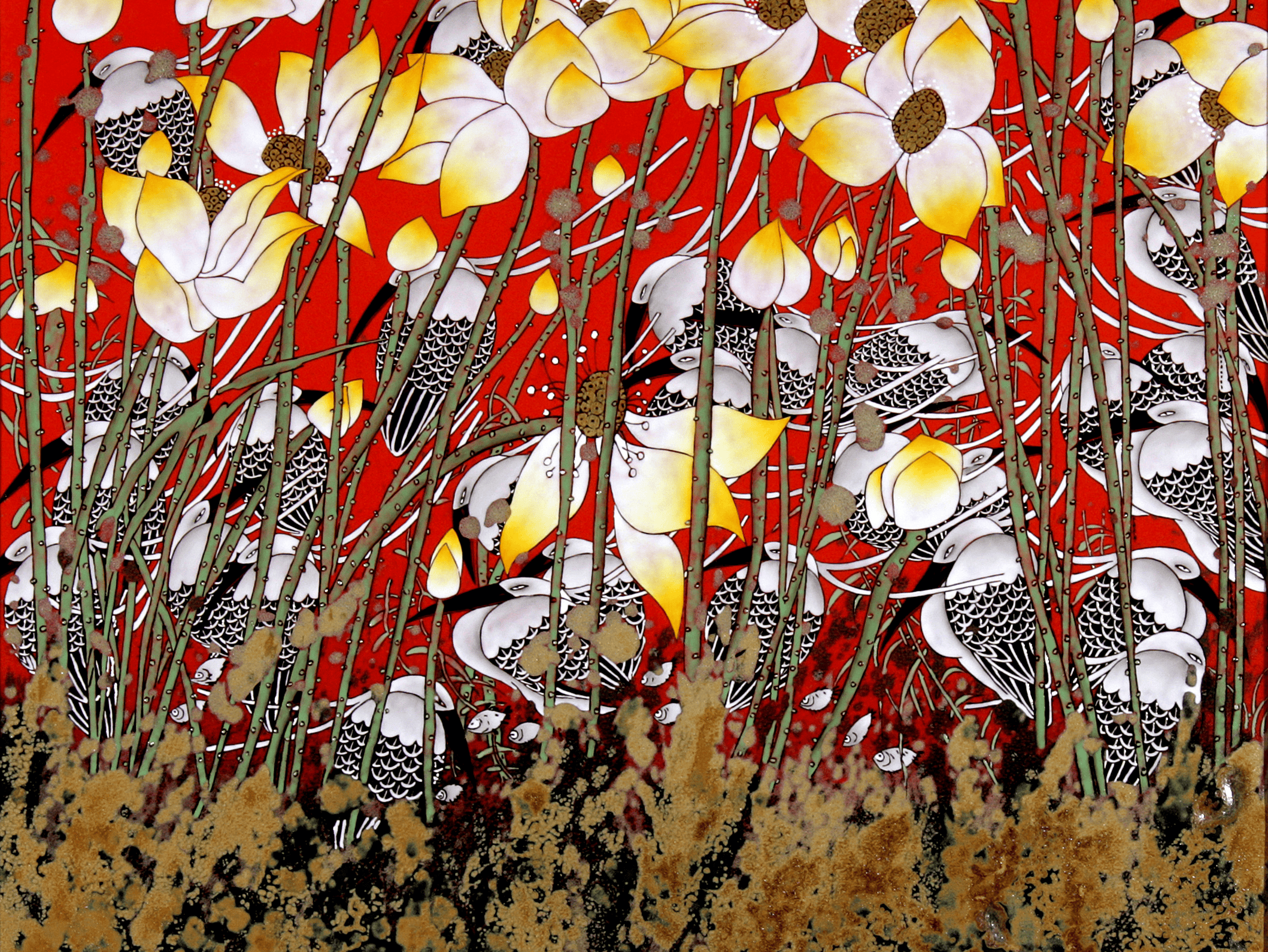
Ceramic statue illustrates a remarkable medium variety with a prolonged record, stretching back myriad of decades. From ancient vessels to recent showcases, the medium offers incomparable possibilities for creative expression. Craftsmen practice assorted techniques – including modeling, wheel rotating, and elevated firing processes – to transform humble mud into captivating three-dimensional sculptures. The robustness of fired pottery also contributes to its status as a truly enduring part of human civilization.
Surveying Brick Panel Arrangements and Practices
The sector of ceramic emblem design offers a wide array of original possibilities. Sculptors often employ a mixture of time-honored and cutting-edge techniques to construct visually stunning pieces. These can include from simple, crafted reliefs to complex, multi-layered assemblies. Conventional methods include slip casting, manual forming, enameling – which can involve different techniques like painting beneath the glaze, top glaze design, and carved drawing where designs are unmasked by stripping a layer of varnish. Extra examination into external finishes such as flash firing and gloss finish can generate truly one-of-a-kind and individualized pottery plaques.
- Mold Fabrication - Generating pieces using a cast
- Artisanal Molding - Carefully molding the earth
- Glaze Application - Finishing the layer with a shiny finish
- Scratched design - Revealing designs by excavating films
Captivating Experiences: Ceramic Art Expositions
The advancing landscape of expression presents exciting fresh avenues for viewers, and ceramic art installations are at the apex of this progression. These aren't just static works; they are built to envelop the spectator in a sensory surrounding. Imagine navigating within a forest of towering, fired ceramic trees, or navigating a labyrinth of detailed ceramic vessels. Many designers are now incorporating sound, brightness, and even aroma to enhance the feeling of their work. Reflect on the power of a room filled with hundreds of uniquely ceramic artifacts, each telling a chronicle. Often, such installations analyze themes of environment, heritage, and people.
- They installations blur the frontiers between art and construction.
- Encountering a ceramic art installation can be a deeply significant journey.
- Designers are advancing the parameters of what is realizable with clay.
This Attractiveness of the Earthenware Holder: Purpose and Outline
The ceramic urn represents a distinctive fusion of applicability and aesthetic appeal. Historically, these jars served a simple purpose in preserving liquids, but their growth has transformed them into highly valued works of craftsmanship. Each item showcases the ability of the builder, demonstrating how design can be as vital as application. The deliberate shaping, the unique glazes, and the entire presence of a artfully-produced vase can transform a space, offering both splendor and a soft reminder of the manual hand.
Latest Brick Art : Expanding Frontiers
Recent brick art represents a fascinating departure from established practices. Artisans are enthusiastically experimenting with different processes, dissolving the frontiers between design and different artistic mediums. From expansive installations to fine miniature pieces, aforementioned works study themes of heritage while coincidingly remaking the foundational of what clay can be. The outcome is a vibrant field of artistic design.
Earthenware Inscription: Maintaining Tradition in Earth
Pottery plaques offer a distinctive method for recording significant events and figures. Differing from traditional metal or stone markers, these durable pieces of art are formed from processed clay, creating a substantial link to the earlier period. Traditionally, they exhibit intricate etchings or carefully illustrated imagery, expressing stories that might otherwise be ignored. Such technique, originating in ancient Ceramics civilizations, provides a striking and timeless way to recognize our collective history.
- Such can be placed in general spaces.
- A multitude of are now considered historical wonders.
Terracotta Art Showcases: Altering Spaces
Brick art installations are surfacing a compelling medium for artists to reconstruct public and private areas. These immersive pieces frequently involve considerable clay figures that surround viewers, shifting their appreciation of the designed environment. By incorporating diverse ways like manual assembly and complex firing procedures, ceramic artists generate truly original experiences, removing the lines between form and environment. The effectiveness is often a powerful transformation that boosts the visual quality of the environment and inspires discussion.
Start Spin Tool to Miracle: The Process of the Pottery Vessel
The journey of a pottery vessel from a simple lump of soil to a finalized work of creation is a testament to human resourcefulness. Initially, the process commences with the potter’s lathe, where the masterful artisan molds the revolving terracotta into a cylindrical structure. This introductory phase demands sharpness and a disciplined eye, followed by a delicate firming period. Once soft-fired, the pot is ready for enhancement, which may embrace glazing intricate ornaments, fashioning detailed imagery, or employing a multitude of coatings. The concluding processing process then transforms the object into a durable and attractive vessel, a tangible embodiment of the craftsman's imagination.
Carving with Earthenware: A Manual to Terracotta Practice
Delving the sphere of stoneware expression begins with recognizing the basics of modeling with pottery. The aforementioned approach comprises thoughtfully layering and taking away components to make three-dimensional models. If you're a neophyte or a seasoned maker, practicing with different kinds of earthenware – including terracotta – will aid you reveal your personal technique. At last, terracotta carving is a fruitful process that joins expert talent with original communication.