Ceramic work reflects a notable practice variety with a prolonged chronicle, spreading back countless of ages. From ancient jars to cutting-edge displays, the element offers peerless possibilities for creative manifestation. Artisans practice wide-ranging techniques – including hand-building, wheel throwing, and intricate firing processes – to fashion humble silt into evocative three-dimensional forms. The endurance of fired terracotta also contributes to its status as a truly consequential part of human society.
Exploring Pottery Panel Styles and Procedures
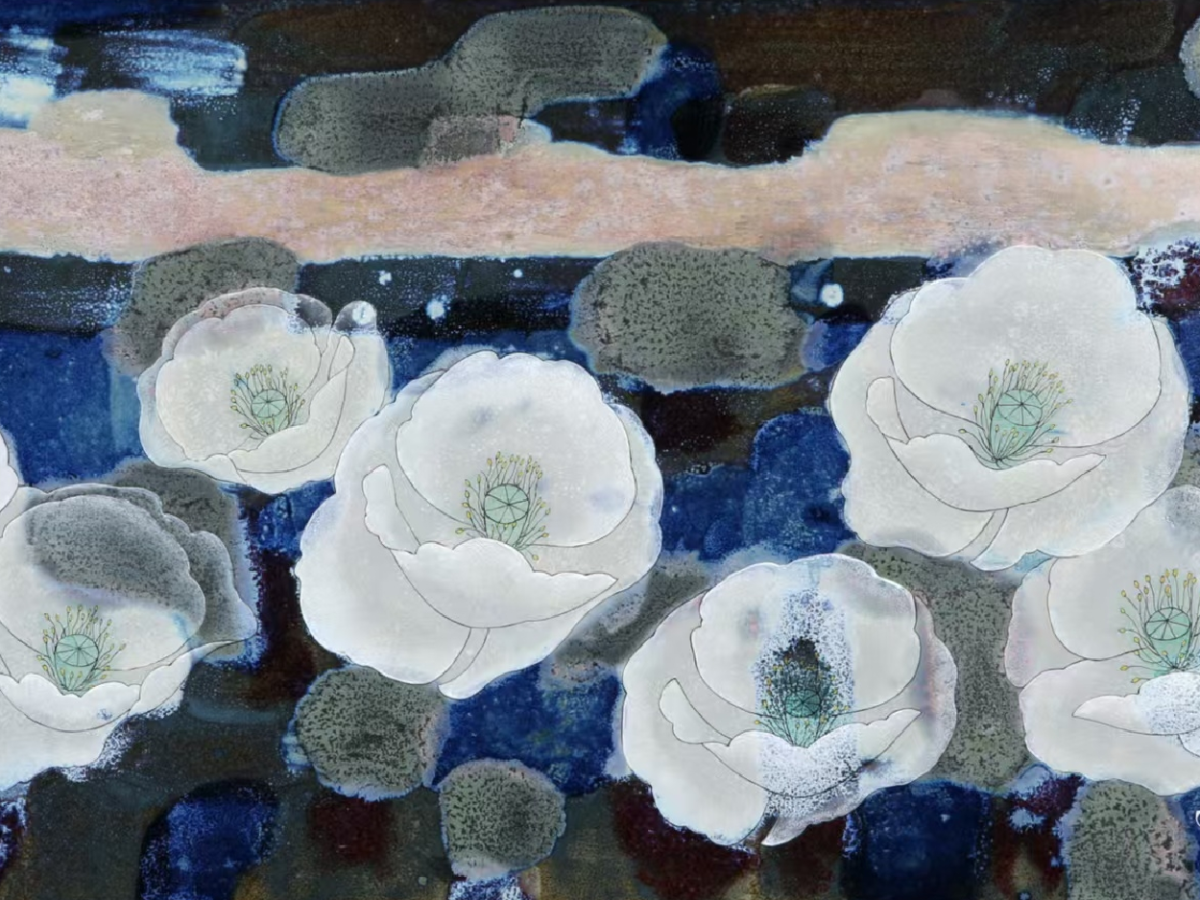
The area of ceramic sign design offers a ample array of original possibilities. Crafters often explore a variety of established and modern techniques to create visually striking pieces. These can range from simple, hand-carved reliefs to complex, multi-layered compositions. Common methods include mold making, artisanal shaping, varnishing – which can involve numerous techniques like painting beneath the glaze, surface glaze ornamentation, and etched pattern where designs are disclosed by taking away a layer of coating. Further scrutiny into surface treatments such as raku firing and pearlescent coating can offer truly exceptional and bespoken terracotta tablets.
- Form Casting - Forming pieces using a mold
- Physical Construction - Meticulously shaping the dirt
- Glazing - Smearing the layer with a shiny finish
- Scratched design - Making visible designs by stripping finishes
Immersive Experiences: Stoneware Art Displays
The evolving landscape of visual arts presents exciting original avenues for viewers, and ceramic art installations are at the pinnacle of this shift. These aren't just static statues; they are fashioned to envelop the observer in a sensory surrounding. Imagine passing through a forest of towering, embellished ceramic trees, or navigating a tangle of fragile ceramic vessels. Many artisans are now incorporating audio, glow, and even aroma to enhance the atmosphere of their work. Envision the power of a room filled with hundreds of expertly ceramic works, each telling a story. Commonly, such installations scrutinize themes of ecosystem, remembrance, and people.
- They installations blur the limits between statue and structure.
- Interacting with a ceramic art installation can be a deeply meaningful journey.
- Sculptors are challenging the thresholds of what is achievable with clay.
One Beauty of the Pottery Receptacle: Meaning and Shape
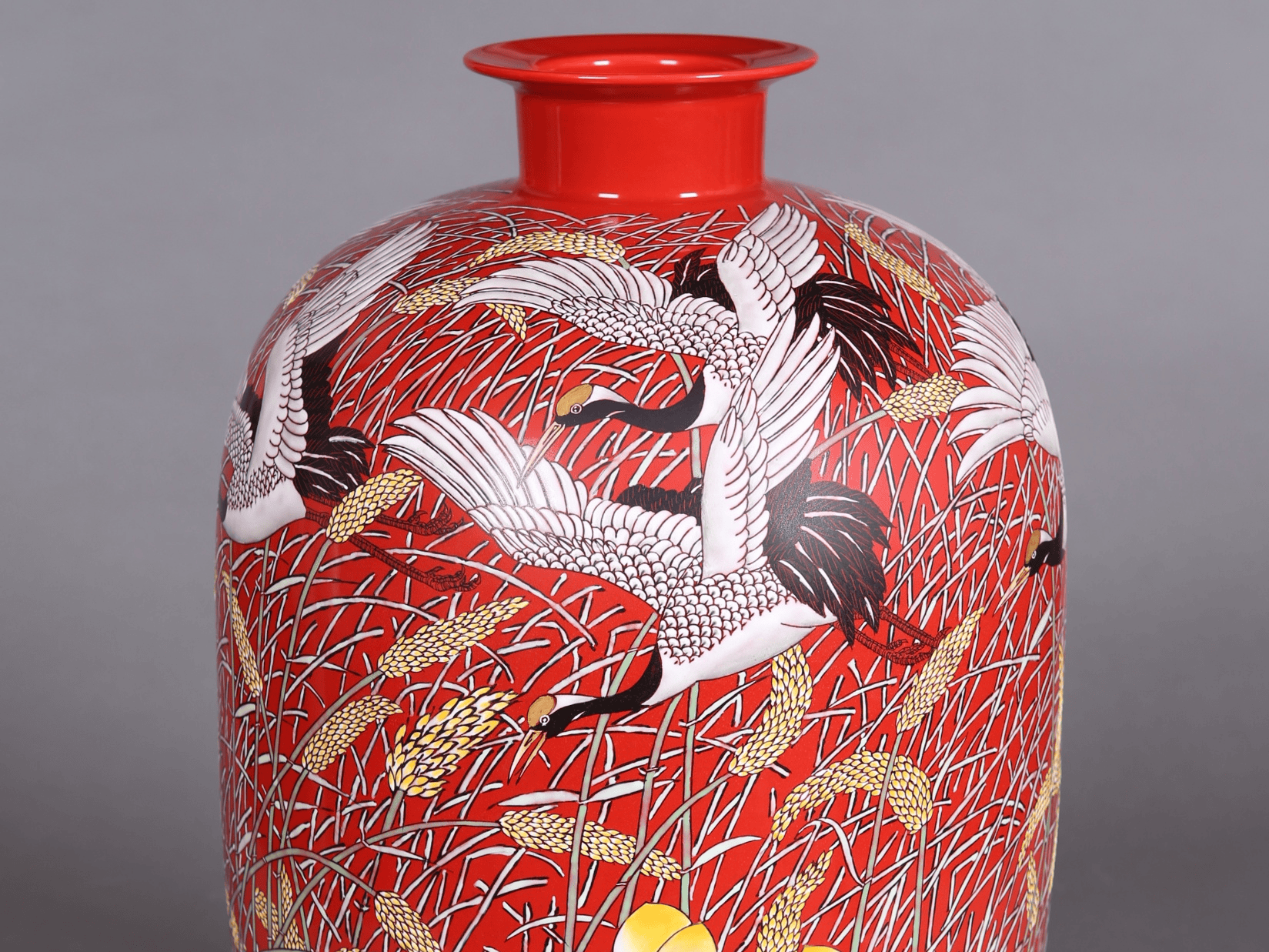
The terracotta container represents a extraordinary fusion of convenience and artistic appeal. Historically, these urns served a primary duty in sustaining contents, but their progression has transformed them into highly valued works of mastery. Each element showcases the expertise of the maker, demonstrating how profile can be as significant as role. The thoughtful shaping, the unique glazes, and the complete presence of a artfully-produced vase can transform a space, offering both appeal and a gentle reminder of the artistic hand.
Present-day Terracotta Model : Pushing Horizons
Present-day stoneware figure represents a fascinating development from traditional practices. Creators are energetically testing with novel tactics, mixing the separations between sculpture and various creative fields. From expansive installations to fine miniature pieces, those works study themes of individuality while in unison remodeling the fundamental of what terracotta can manifest. The result is a active environment of inspired presentation.
Terracotta Panel: Conserving Legacy in Porcelain
Stoneware plaques offer a special method for memorializing significant events and individuals. Compared to traditional metal or stone markers, these long-lasting pieces of art are formed from fired clay, creating a substantial link to the earlier period. Habitually, they present intricate embossments or artistically decorated imagery, illustrating stories that might otherwise be lost. An technique, rooted in ceramic plaque ancient folk, provides a captivating and enduring way to honor our collective chronicle.
- The described can be positioned in communal spaces.
- Scores of are now acknowledged historical objects.
Clay Art Assemblies: Shifting Venues
Pottery art installations are flourishing a strong medium for sculptors to revise public and private places. These immersive designs frequently involve considerable clay artifacts that surround viewers, redirecting their view of the constructed environment. By combining diverse approaches like hand-building and advanced firing techniques, ceramic artists fashion truly exceptional experiences, blurring the edges between art and building. The outcome is often a touching shift that raises the artistic quality of the environment and inspires discussion.
Origin Lathe to Beauty: The Trade of the Earthenware Holder
The journey of a clay jar from a simple lump of clay to a polished work of production is a testament to human inventiveness. Classicall, the process commences with the potter’s spin wheel, where the experienced artisan builds the circling material into a cylindrical profile. This initial step demands cleverness and a keen eye, followed by a delicate curing period. Once soft-fired, the vessel is ready for embellishment, which may engage decorating intricate designs, sculpting detailed illustrations, or applying a selection of enamels. The closing firing process then changes the creation into a durable and pleasing vase, a tangible example of the creator's commitment.
Carving with Earthenware: A Manual to Stoneware Expression
Surveying the realm of clay work begins with learning the tenets of molding with clay. The technique necessitates deliberately incorporating and chiseling volume to generate three-dimensional objects. Whether you're a novice or a experienced craftsperson, trying with assorted varieties of pottery – for example ceramic – will support you detect your personal technique. Conclusively, stoneware crafting is a gratifying experience that integrates artistic ability with imaginative interpretation.